Source Perfume Glass Bottle for Gift, Personal Care, and Daily Use
Compare 30 perfume glass bottle options from verified Chinese manufacturers. Buyers can evaluate square and cylindrical designs, pump sprayers, and capacities ranging from 80ml to 100ml with OEM/ODM services available.
Key considerations
Products List



Comprehensive Sourcing Guide
Strategic Sourcing Guide for Perfume Glass Bottles
Navigating the global market for perfume glass bottles requires a meticulous approach that balances aesthetic requirements with rigorous technical and compliance standards. For procurement professionals, the core keyword "perfume glass bottle" represents a complex category where material integrity, volume specifications, and regulatory adherence are paramount. The following guide synthesizes observed market data and essential industry knowledge to provide a structured framework for evaluating potential suppliers and products.
Technical Specifications and Material Integrity
The foundation of any successful procurement strategy lies in understanding the precise technical specifications of the product. In the current market landscape, glass remains the dominant material for high-end fragrance packaging due to its chemical inertness and premium feel. Observed product attributes confirm that Glass is the primary material, specifically identified as Melt Glass, which suggests a manufacturing process focused on purity and structural consistency.
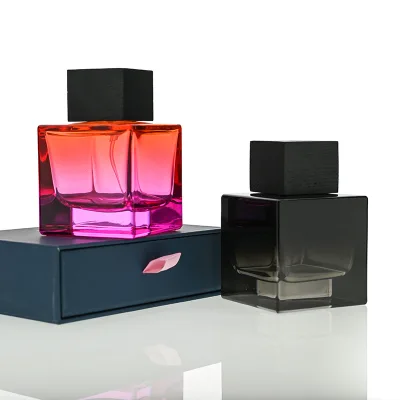
Buyers must carefully distinguish between bottle shapes and neck configurations, as these dictate the compatibility with various dispensing mechanisms. The market features distinct variations, including Square and Cylinder shapes. The Cylinder form is often preferred for its classic elegance, while Square designs offer a modern, architectural aesthetic. Crucially, the Bottleneck type is frequently observed as a Narrow Mouth Bottle, a specification that directly influences the choice of the Sealing Type.
The sealing mechanism is a critical technical variable. The majority of observed listings specify a Pump Sprayer or Screw Sprayer configuration. The Spraying Shape is another vital detail, with Full Cone patterns being a common standard for even distribution of the fragrance. Volume specifications vary significantly across models, with observed standards ranging from 80ML to 100ML. Specific product models such as BTL2562, BTL2631, and PBL2334 demonstrate that manufacturers offer distinct SKUs to meet these volume requirements. For instance, the BTL2562 is associated with a 100ML standard, while PBL2334 aligns with 80ML. Buyers should verify that the selected model matches the exact capacity required for their formulation, as the Capacity of 100ml is a specific benchmark in many listings.
Compliance, Certification, and Regulatory Standards
In the fragrance industry, compliance is not merely a formality but a prerequisite for market access. The chemical nature of perfumes necessitates rigorous testing to ensure that the packaging does not interact negatively with the Liquid Contained product. Observed data indicates that reputable suppliers provide documentation such as MSDS (Material Safety Data Sheet), SGS reports, and FSC (Forest Stewardship Council) certifications. Additionally, Saso certification is noted, which is essential for markets in the Middle East.
When evaluating a supplier, procurement teams must verify that the Certification portfolio covers both the glass material and the plastic components of the sprayer. The Fsc certification, in particular, points to sustainable sourcing practices for any paper-based packaging materials used in the process. Buyers should request current test reports to confirm that the Glass Type and the Sealing Type meet international safety standards. It is important to note that while these certifications are observed in the market, they are not universal; each supplier must be audited individually to ensure their specific batch holds valid credentials.
Furthermore, the Surface Handling of the bottle, often Screen Printing, must be evaluated for durability and chemical resistance. The ink used in screen printing must not leach into the perfume or degrade upon contact with the alcohol-based solvents typical in Eau de Parfum and Parfum formulations.
Cost Drivers and Pricing Dynamics
Understanding the cost structure of perfume glass bottles is essential for budgeting and margin analysis. The observed price range in the market spans from 0.06 to 1.5 USD per unit. This wide variance is driven by several factors, including the complexity of the glass mold, the quality of the sprayer mechanism, and the customization level required.
The MOQ (Minimum Order Quantity) is a significant cost driver. Data shows a range of 1000 to 10,000 units, with specific models like BTL2562 requiring an MOQ of 10,000 PCS, while others may list 20,000 PCS or 20,000 units. Higher volumes often correlate with lower unit costs, but the initial capital outlay increases. Buyers must balance the desire for lower unit prices against the risk of inventory holding costs.
Additional cost factors include the Pacjaging method, which is typically Export Standard Packaging to prevent breakage during transit. The prod_packing details, such as 48PCS/CTN, influence shipping efficiency and logistics costs. Customization options, such as specific Colours (often Transparent or as Request) and Surface Handling like Screen Printing, will add to the base cost. The Supply Type being OEM/ODM accepted implies that custom tooling or branding fees may apply, which should be factored into the total landed cost.
Typical Applications and Market Segmentation
The versatility of glass perfume bottles allows them to serve a broad spectrum of applications. The primary Application categories identified include Gift, Personal Care, and Daily Use. The Level of fragrance, such as Parfum or Eau de Parfum, often dictates the bottle design. Parfum concentrations, which are typically more viscous and potent, may require specific pump mechanisms to ensure proper dispensing.
The Gender targeting is another segmentation factor, with many products specifically designed for Female demographics, often featuring Floral Flavor profiles in the marketing context. However, the physical bottle itself is often gender-neutral, allowing for versatile branding. The Age Group is consistently listed as Adult or Adults, indicating that these products are not intended for children's use, which aligns with the nature of the Liquid Contained (Perfume).
The Feature set of the bottles, including Disposable, Recyclable, and Degradable attributes, reflects growing consumer demand for sustainability. While the glass itself is recyclable, the Cup Accessories (often without Handle) and the plastic components of the sprayer require careful end-of-life planning. Buyers targeting eco-conscious markets should prioritize suppliers who can demonstrate a clear path for recycling or degradation of the entire packaging system.
Supplier Evaluation and Operational Capabilities
Selecting the right supplier involves more than just comparing prices; it requires a deep dive into their operational capabilities and logistical reliability. The prod_origin is predominantly China, with specific hubs like Zhejiang identified as key manufacturing regions. This concentration of supply chains offers competitive advantages in terms of raw material access and labor costs.
When evaluating a supplier, verify their Customization capabilities. The market data indicates that Customization is Available, allowing for tailored solutions. However, buyers must confirm the Sample availability; some suppliers offer Free samples, which is a critical step in validating quality before committing to a large order. The Sample process should include testing the Spraying Shape and the Sealing Type to ensure they function correctly with the specific perfume formulation.
Logistical capabilities are equally important. The prod_packing methods, including options for by Ship, Air, Courier, suggest flexibility in shipping modes. However, the MOQ constraints must be aligned with the buyer's demand forecast. For instance, an MOQ of 20,000 units may be prohibitive for a startup, whereas an MOQ of 10,000 might be more manageable. Buyers should also assess the supplier's ability to handle Export Standard Packaging to minimize breakage rates during international transit.
Quality Control and Long-Term Procurement Strategy
Implementing a robust quality control (QC) protocol is essential for maintaining brand integrity. The Surface Handling via Screen Printing must be inspected for adhesion and color consistency. Additionally, the Glass Type should be checked for defects such as bubbles, stones, or uneven thickness, which can compromise the structural integrity of the bottle.
Long-term procurement considerations involve building a relationship with suppliers who can scale with demand. The Supply Type being OEM/ODM suggests that suppliers are equipped to handle long-term contracts. However, buyers should establish clear communication channels regarding Lead Times and MOQ adjustments. While specific lead times are not provided in the data, the prod_packing and Location factors suggest that air freight may be necessary for urgent orders, whereas sea freight is suitable for bulk replenishment.
To ensure consistency, buyers should request a Standard specification sheet for every batch. The prod_standard values, such as 100ML or 80ML/2.7FL. OZ, must be strictly adhered to. Any deviation in volume or dimensions can affect the fit of the sprayer and the overall aesthetic of the final product. Regular audits of the supplier's facility, particularly in regions like Zhejiang, China, can help mitigate risks associated with quality fluctuations.
Comparative Analysis of Key Product Attributes
To facilitate decision-making, the following table summarizes the key attributes observed in the market, highlighting the variations buyers must consider.
| Attribute | Observed Value/Range | Procurement Consideration |
|---|---|---|
| Material | Glass (Melt Glass) | Verify chemical resistance and clarity. |
| Shape | Square, Cylinder | Match brand aesthetic and shelf presence. |
| Volume | 80ML, 100ML | Ensure compatibility with formulation volume. |
| Sealing Type | Pump Sprayer, Screw Sprayer | Test spray pattern (Full Cone) and seal integrity. |
| MOQ | 10,000 - 20,000 PCS | Align with inventory budget and demand forecast. |
| Certification | MSDS, SGS, FSC, Saso | Verify validity for target export markets. |
| Origin | China (Zhejiang) | Assess logistics costs and lead time variability. |
| Customization | Available (Color, Printing) | Confirm tooling costs and sample lead times. |
| Packing | Export Standard, 48PCS/CTN | Calculate shipping efficiency and breakage risk. |
By adhering to these structured guidelines, procurement professionals can navigate the complexities of sourcing perfume glass bottles effectively. The focus on verified specifications, rigorous compliance checks, and strategic supplier evaluation ensures that the final product meets both functional and aesthetic standards while maintaining cost efficiency.
FAQs
What certifications are required for perfume glass bottles?
Reputable suppliers provide MSDS, SGS, FSC, and Saso certifications to ensure compliance. These documents verify that the glass and sprayer components meet international safety standards for fragrance packaging and export requirements.
Which glass types are commonly used for perfume bottles?
The primary material is glass, specifically identified as melt glass for purity and structural consistency. This material offers chemical inertness and a premium feel suitable for high-end fragrance packaging applications.
How does the minimum order quantity affect pricing?
MOQs typically range from 10,000 to 20,000 pieces depending on the specific model. Higher volumes often correlate with lower unit costs, but buyers must balance this against initial capital outlay and inventory holding risks.
Can I customize the color and surface printing of the bottle?
Customization is available for colors, which can be transparent or as requested, and surface handling like screen printing. Buyers should confirm tooling costs and sample lead times before committing to a large order.
What sealing types are compatible with narrow mouth bottles?
Common sealing types include pump sprayers and screw sprayers designed for narrow mouth bottles. The spraying shape is often a full cone pattern to ensure even distribution of the fragrance liquid.
Where are these perfume glass bottles manufactured?
Products originate primarily from China, with specific manufacturing hubs identified in Zhejiang. This concentration offers competitive advantages in raw material access and labor costs for international buyers.
What are the standard volume capacities for these bottles?
Standard capacities observed include 80ML and 100ML, with specific models matching these exact volumes. Buyers must verify that the selected model matches the formulation volume to ensure proper sprayer fit.